
Lens Overview
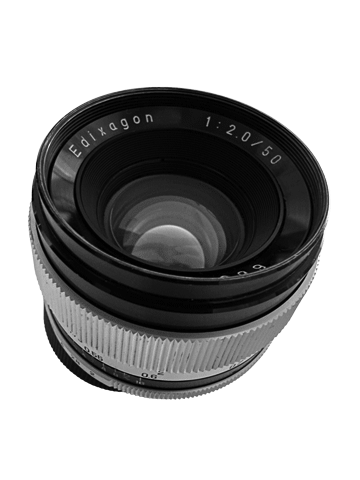
The Edixagon 1:2.0/50 is a vintage “normal” lens most often found with late‑1960s Wirgin Edixa 35mm SLRs, typically in M42 screw mount. With a natural 50mm field of view and a moderately fast f/2 maximum aperture, it was designed as an all‑round standard: everyday photography, street, travel, and portraits with modest background separation.
What makes the Edixagon unusual isn’t the spec—it’s the identity. You’ll often see it attributed to Rodenstock, but that claim is controversial and remains unproven. The most consistent community conclusion today is that the Edixagon is an Edixa house‑brand lens with a debated OEM origin, likely Japanese-made, and often described as a double‑Gauss derivative (commonly reported as ~6 elements). It’s also frequently linked to an Exakta‑mount sibling branded “Exaktar 2/50,” which strengthens the “third‑party OEM” narrative.
In short: the Edixagon is a rare kit‑era fast fifty with a strong personality—especially in how it handles flare.
Build and Ergonomics
The lens’s black barrel with bold chrome accents fits the classic late‑1960s “zebra‑era” styling. The build is typically all‑metal, dense for its size, with a smooth manual focus helical and a click‑stopped aperture ring.
A key usability point: many Edixagon copies behave like classic M42 auto‑diaphragm lenses—excellent on period bodies, but on modern setups, you may need an adapter that depresses the aperture pin (or a workaround) to stop down reliably. Focus throw is long enough for precise work and suits the lens’s “deliberate shooting” feel.
Optical Performance
Sharpness and contrast
Wide open at f/2, the Edixagon is usually usable in the center with a gentle softness and lower micro‑contrast—more “classic” than clinical. Stop down to f/2.8–f/4 and clarity jumps; by f/5.6–f/8, it can look surprisingly “modern” in the center and very respectable across most of the frame. Edges and corners tend to lag at f/2, improving steadily as you stop down (typical for vintage fast normals).
Color and rendering
Color is generally neutral to slightly warm, with a film‑era highlight roll‑off that can look flattering. When contrast is low (especially in backlit conditions), it’s often a flare/coating/condition story rather than “bad color.”
The beautiful flare (signature behavior)
This is where the Edixagon earns its reputation. In direct light, it produces veiling flare (a bright haze that reduces contrast) and distinct ghosts—often translucent orbs and geometric reflections that can appear genuinely cinematic. It’s the kind of flare that can turn difficult light into style—if you compose for it.
How to use it well:
- Embrace flare for atmosphere: backlit portraits, late‑sun street scenes, reflective highlights.
- Control flare when you need contrast: use a small hood or hand‑shade, and avoid bright sources just outside the frame.
- Condition matters: haze or cleaning marks amplify veiling flare dramatically; a clean copy looks more controlled.
Chromatic aberration
Expect some CA at f/2 on hard edges (typical for the era). There’s rarely a dedicated modern profile for such a rare lens, so correction is usually simple: Remove CA + light defringe in your RAW editor when needed.
Digital Adaptation
The standard M42 version of the Edixagon is easy to use on modern bodies:
- Mirrorless (Canon RF / Sony E / Nikon Z / L / MFT): simple mechanical adapter, complete infinity focus, excellent usability with magnification and focus peaking.
- IBIS bodies: set the focal length to 50mm, and the lens becomes much more forgiving for handheld use.
- DSLRs work best where M42 adaptation is straightforward; on systems that require optical correction for infinity, the experience is less appealing.
The one practical snag is diaphragm control: if your adapter doesn’t press the auto pin, you may be stuck wide open. Choose an adapter designed to hold the pin down, or use a workaround.
Historical and Collector Context
The Edixagon sits in the late chapter of the West German Edixa ecosystem—an era when European brands were under heavy pressure from Japanese SLR systems. Edixa often paired cameras with lenses from known German makers (Schneider, ISCO, etc.), so the Edixagon’s opaque branding is a significant reason it’s become a “mystery lens.”
The Rodenstock claim persists in listings but remains disputed, mainly because the Edixagon typically lacks the clear origin branding collectors expect for confirmed German-made optics. The strongest practical clue is the recurring association with an Exaktar 2/50 in an Exakta mount, suggesting a shared OEM supply chain rather than a single premium German maker.
Collector value follows that story: the Edixagon is sought after because it is rare, unusual, and has a recognizable aesthetic—especially the flare. Prices can be hype-driven, so buyers should evaluate condition and usability first.
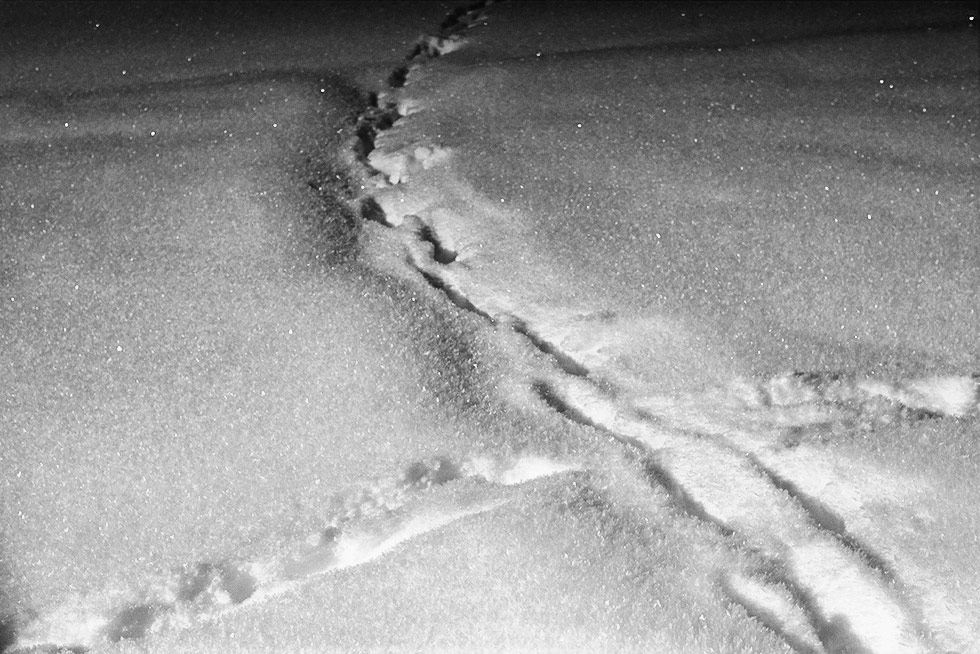
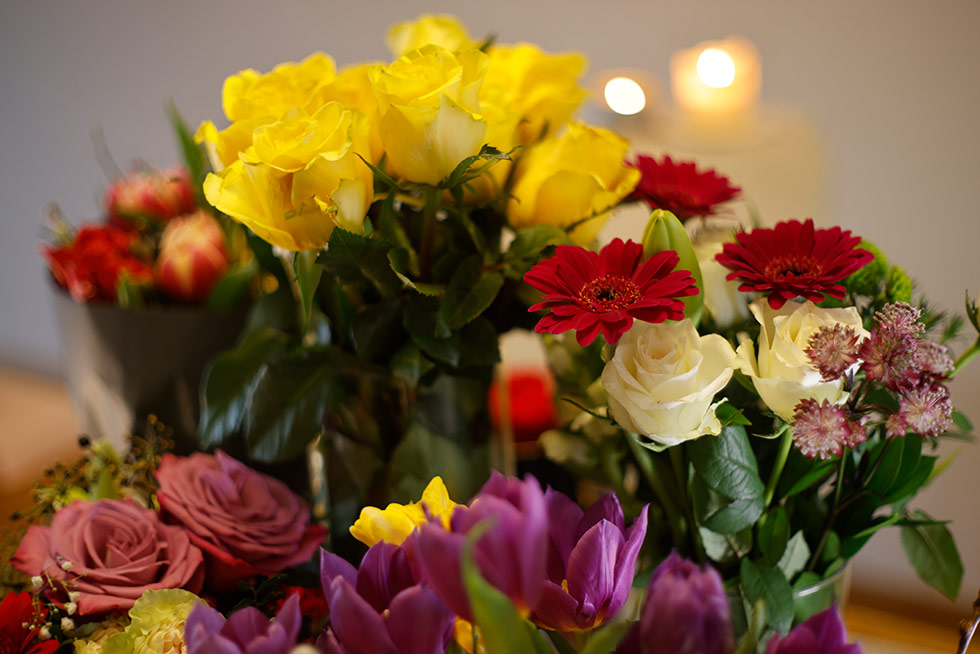
Sample photos




Verdict – Pros and Cons
Pros
- Distinctive, “beautiful” flare potential—veiling glow and ghost shapes can look cinematic when used intentionally.
- Solid stopped‑down sharpness (especially around f/5.6–f/8) for landscapes and general shooting
- Classic wide‑open rendering at f/2—gentle softness and vintage highlight roll‑off that suits portraits
- Compact, all‑metal build with a smooth, precise manual focus feel
- Straightforward mirrorless adaptation (M42) with complete infinity focus; pairs well with focus peaking/magnification
- Works nicely on IBIS bodies once set to 50mm, making handheld shooting more practical
- Rare and collectible within the Edixa ecosystem, with a real “mystery lens” appeal
Cons
- Manufacturer attribution is controversial (Rodenstock’s claims are unproven), so provenance is not clean
- Flare control is weak by modern standards—contrast can collapse in backlight unless shaded/hooded.
- Condition-sensitive: haze/cleaning marks can dramatically increase veiling flare and reduce contrast
- Auto-diaphragm pin behavior can complicate adapting (needs an adapter that depresses the pin, or a workaround)
- Wide-open edges/corners are soft, and overall f/2 performance is more “character” than “clinical.”
- No dedicated modern lens profile ecosystem—CA and contrast are typically corrected manually
- Rarity can inflate prices, making it less “value” than a more common vintage 50s with similar baseline performance.