

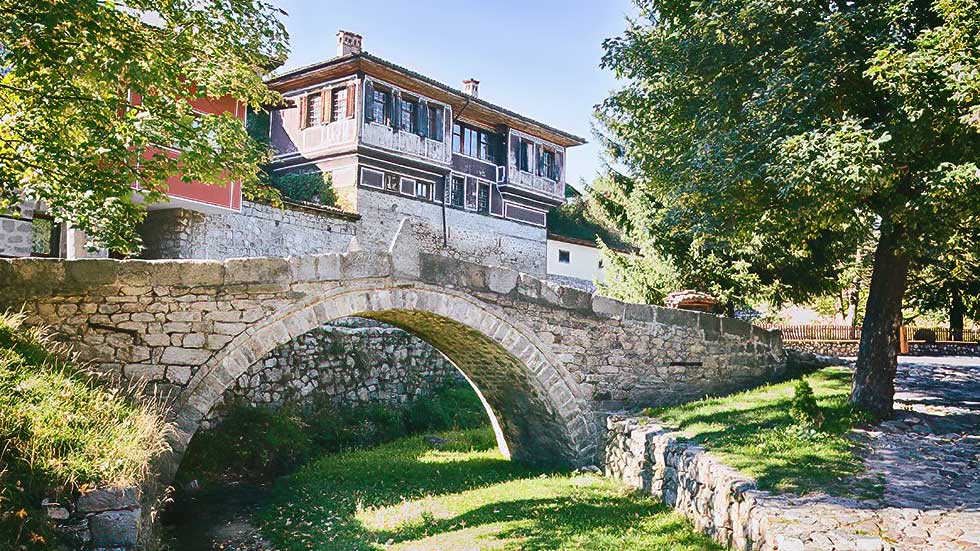
Koprivshtitsa is one of Bulgaria’s best places for Revival-period architecture and April Uprising history, but it is easiest to enjoy when planned as a museum-town visit rather than a quick photo stop. The town is officially protected as an architectural and historical reserve and is known for its preserved houses, stone bridges, courtyards, churches, and museum interiors. Bulgaria’s tourism authorities note that the reserve includes hundreds of architectural, historical, and artistic monuments.
Quick visitor guide
How long to spend: 2–3 hours for a walk and one or two houses; 4–6 hours for the main museum circuit and lunch; overnight if traveling by public transport or pairing the town with nearby mountain routes.
Best ticket choice: Buy the six-museum ticket (museums are small) if you plan to visit three or more museums. Official museum prices list the six-museum adult ticket at €10, while a single museum ticket is €5.
What may be closed: The museum houses operate all year, but individual sites have Monday or Tuesday rest days, and some smaller sites have seasonal hours. Check the current schedule before planning a full museum circuit.
Best transport: A car is easiest for a day trip from Sofia or Plovdiv. Public transport is possible, but the train station is outside the town, so check onward transfer options.
Walking difficulty: Easy to moderate. Expect cobbled streets, short climbs, steps into houses, uneven courtyards, and slippery surfaces in rain or snow.
Accessibility: Not fully step-free. The street walk is manageable for many visitors, but historic houses and courtyards are difficult for wheelchairs and pushchairs.
What ticket should you buy?
The best-value option for most culture-focused visitors is the combined six-museum ticket. It makes sense if you plan to see three or more sites, because single-entry tickets add up quickly. The official museum price list also includes discounted student and pensioner tickets, a family ticket, guided talks, and audio guides.
A shorter visit does not need the full circuit. Choose one or two houses if you only have a couple of hours. The Todor Kableshkov, Dimcho Debelyanov, Lyuben Karavelov, and Georgi Benkovski museums are usually the most directly connected to the town’s literary and revolutionary identity, while Lyutova House and the education-related museum spaces offer a broader view of Revival-period life and interiors. Official tourism material also lists churches, wells, and local architectural landmarks as part of the wider reserve experience.
Opening hours and off-season reality
Koprivshtitsa is not a summer-only destination. The museum directorate publishes winter and summer hours, with winter hours generally shorter and summer hours longer. However, the main issue for visitors is not the season but the weekly rest days: some museum sites close on Monday, others on Tuesday. The Tepavitsa site is listed with summer-only hours.
For a full museum day, avoid arriving late on a Monday or Tuesday without checking the schedule. In winter, plan around shorter daylight, possible snow or ice on cobbled streets, and fewer restaurant choices outside weekends.
What to see?
Start with a slow walk through the center before entering the museums. Koprivshtitsa’s value is not only inside the houses; it is also in the street pattern, stone walls, gateways, courtyards, and bridges. The museum circuit then adds context: domestic interiors, revolutionary history, school life, literary figures, and the April Uprising.
The town’s official tourism profile highlights the Oslekov, Lyutova, Todor Kableshkov, Dimcho Debelyanov, Georgi Benkovski, and Lyuben Karavelov houses, along with the churches, old wells, bridges, and other protected elements of the reserve.
How to get there?
By car, Koprivshtitsa makes a good full-day trip from Sofia or Plovdiv, though it should not be treated as a quick roadside stop. Bulgaria’s tourism portal gives approximate distances of 110 km from Sofia, 90 km from Plovdiv, 24 km from Pirdop, and 22 km from Strelcha.
By train, Koprivshtitsa is possible but less direct than it looks on a map. BDZ publishes Sofia–Koprivshtitsa railway connections, but the station is outside the town, so visitors should check the onward taxi, bus, or shuttle situation before relying on rail alone.
Nearby pairings
Koprivshtitsa & Strelcha works well by car if you want a lighter spa-town or mountain-ridge pairing after the museum circuit.
Koprivshtitsa & Panagyurishte are the stronger history pairing, especially for travelers interested in the April Uprising. It is best done by car because the mountain roads and schedules make public transport timing less convenient.
Koprivshtitsa as a standalone public-transport trip is often the better choice for train or bus travelers. Arrive early, focus on the museum circuit and lunch, and avoid adding distant stops unless you have confirmed transport.
Why visit?
Koprivshtitsa is worth visiting for its concentration of preserved Revival-period houses, its direct connection to Bulgaria’s revolutionary history, and its unusually complete townscape. The best visit is not rushed: buy the combined ticket if you want the full museum circuit, check Monday and Tuesday closures, wear shoes suitable for cobbles, and give yourself enough time to see both the houses and the streets between them.