

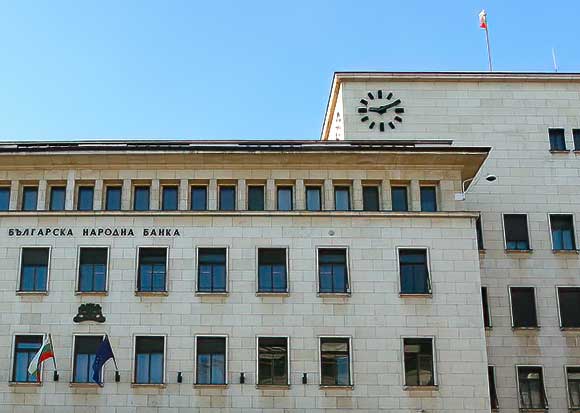
Bulgaria’s banking system is a modern, EU-integrated financial sector comprising domestic banks, subsidiaries of international banking groups, and foreign bank branches. Since 1 January 2026, Bulgaria has been part of the euro area, replacing the Bulgarian lev with the euro at the fixed conversion rate of €1 = BGN 1.95583.
This change has reshaped the way money, payments, bank accounts, and monetary policy work in the country. The euro is now Bulgaria’s official currency, and since 1 February 2026, euro banknotes and coins have been the sole legal tender for cash payments in Bulgaria.
Bulgaria and the Euro: What Changed in 2026?
The euro was introduced in Bulgaria on 1 January 2026. During January 2026, both lev and euro cash could be used for payments, but from 1 February 2026, only euro cash is legal tender. Lev bank accounts were automatically converted into euros on 1 January 2026, using the official fixed rate.
For consumers and travelers, the most important practical change is simple: payments, ATM withdrawals, card transactions, hotel bills, restaurant bills, bank fees, and most financial services are now denominated in euros.
The fixed conversion rate is:
€1 = BGN 1.95583
Dual display of prices in lev and euro became compulsory on 8 August 2025 and will remain in effect until 8 August 2026, helping consumers verify that prices are converted correctly during the changeover period.
The Role of the Bulgarian National Bank
The Bulgarian National Bank (BNB) remains the central bank of Bulgaria, but its role has changed significantly with the adoption of the euro. Before 2026, the BNB operated under Bulgaria’s currency board framework and managed the Bulgarian lev. After euro adoption, the BNB became part of the Eurosystem and participates in the common monetary policy of the euro area.
This means that Bulgaria no longer has a separate national currency policy based on the lev. Instead, monetary policy is decided at the euro-area level by the European Central Bank’s Governing Council. The Governor of the Bulgarian National Bank participates as a full member of that Governing Council.
At the national level, the BNB continues to perform essential responsibilities, including banking supervision, macroprudential policy, oversight of payment infrastructure, management of international reserves, and support for the smooth functioning of Bulgaria’s banking system.
Banking Supervision and Regulation
Bulgaria’s banking sector operates within the European banking framework. The Bulgarian National Bank supervises banks in Bulgaria, while the largest banks are also subject to direct European Central Bank supervision within the Banking Union framework. The BNB has noted that Bulgaria’s largest banks came under ECB direct supervision when the country joined the Banking Union framework in 2020.
The Financial Supervision Commission (FSC) oversees much of the non-bank financial sector, including investment services, insurance, pension funds, and capital-market activities.
This layered regulatory structure is designed to maintain financial stability, protect depositors and consumers, and align Bulgaria with EU financial standards.
Banks Operating in Bulgaria
Bulgaria has a mix of locally licensed banks and foreign bank branches. According to the Bulgarian National Bank’s register dated 23 March 2026, there were 17 banks licensed in Bulgaria and 6 foreign bank branches, for a total of 23 banks and foreign bank branches operating in the country.
Examples of banks licensed in Bulgaria include UniCredit Bulbank, DSK Bank, United Bulgarian Bank, Eurobank Bulgaria, Bulgarian Development Bank, First Investment Bank, Allianz Bank Bulgaria, Bulgarian-American Credit Bank, TBI Bank, Investbank, ProCredit Bank Bulgaria, Central Cooperative Bank, Municipal Bank, Texim Bank, Tokuda Bank, D Commerce Bank, and International Asset Bank.
Foreign bank branches operating in Bulgaria include ING Bank N.V. – Sofia Branch and Citibank Europe Plc. Bulgaria Branch, BNP Paribas S.A. – Sofia Branch, T.C. Ziraat Bankasi – Sofia Branch, Bigbank AS – Bulgaria Branch, and Ascory Bank AG – Sofia Branch.
Types of Banking Services in Bulgaria
Bulgarian banks provide a broad range of services for individuals, companies, and international clients. These include current accounts, savings products, debit and credit cards, mortgages, consumer loans, business loans, online banking, mobile banking, cash withdrawals, currency exchange, and international payments.
Since the adoption of the euro, everyday banking has become simpler for people who travel, work, or do business across the euro area. Euro payments no longer require conversion from lev, and prices, balances, card payments, and transfers are easier to compare with those in other euro-area countries.
Most major banks in Bulgaria offer mobile apps, online banking, contactless cards, digital wallets, utility-bill payments, ATM services, and instant or near-instant account information. For visitors, card payments are widely accepted in cities, resorts, hotels, restaurants, supermarkets, and petrol stations, although cash may still be useful in smaller towns, markets, and rural areas.
Deposit Protection in Bulgaria
Bank deposits in Bulgaria are protected by the Bulgarian Deposit Insurance Fund (BDIF). The BDIF guarantees deposits up to €100,000 per depositor per bank, including principal and accrued interest, subject to the legal rules and exclusions.
This protection applies to deposits in euros and in foreign currencies. Deposits held with different banks are insured separately, but deposits held in different branches of the same bank are treated as deposits with one bank.
What to Do with Old Bulgarian Lev Cash
The Bulgarian lev is no longer used for everyday payments, but lev banknotes and coins can still be exchanged.
Commercial banks and certain post offices exchange lev banknotes and coins for euros free of charge until 30 June 2026. After that date, banks and post offices may continue the service until at least 31 December 2026, but they may charge a fee. The Bulgarian National Bank will exchange lev banknotes and coins for euros indefinitely, free of charge, and without a deadline.
For large cash exchanges, advance notice may be required. The ECB notes that single transactions over BGN 30,000 at commercial banks require at least three business days’ notice, while post offices have daily and advance-notice limits.
Bulgaria’s 2026 Euro Switch: A Traveler’s Guide to the Currency Changeover
Foreign Banks and European Integration
Foreign banking groups have a strong presence in Bulgaria, either through local subsidiaries or branches. This has helped integrate Bulgaria’s banking sector with European financial markets and has expanded the range of banking services available to residents, businesses, and international investors.
With the adoption of the euro, Bulgaria’s banking system is now more closely connected to the euro area’s financial infrastructure. Bulgarian banks have access to ECB liquidity mechanisms, and interest-rate conditions now follow euro-area monetary policy decisions.
Practical Tips for Visitors and New Residents
For travelers, the euro adoption makes Bulgaria easier to navigate financially. Visitors from other euro-area countries no longer need to exchange euros into lev. ATMs dispense euros, shops display prices in euros, and card payments are processed in euros.
For new residents, opening a bank account usually requires identification, proof of address or residence status, and sometimes documentation related to employment, business activity, or source of funds. Requirements vary by bank, so it is best to check with the chosen institution in advance.
When comparing banks, pay attention to monthly account fees, ATM withdrawal fees, card fees, international transfer costs, mobile-banking features, customer support languages, and branch availability.
A Dynamic and Evolving Banking Sector
Bulgaria’s banking system has entered a new phase following the adoption of the euro in 2026. The sector remains shaped by a mix of local institutions, international banking groups, EU-level supervision, digital banking innovation, and strong consumer-protection rules.
The move from lev to euro has not only changed the currency used in everyday life but has also deepened Bulgaria’s integration into the European financial system. For residents, businesses, visitors, and investors, the result is a banking environment more closely aligned with the rest of the euro area while retaining national institutions and local banking practices. To develop its economy and integrate further into the global market, its banking sector remains vital to this growth, ensuring financial stability and supporting economic development. With current levels of consumer trust and a focus on innovation, the future of banking in Bulgaria looks promising, offering opportunities for both domestic and international investors.