


Where is Pirin?

Pirin Region Map
Pirin Mountain cooks speak fluent slow-cooking. Clay pots go into the oven at noon and reappear at dusk. Garlic is not a garnish; it is a point of view. Around Bansko and Razlog, you meet winter stews and charcuterie that make the long season feel short. Down the valley near Melnik and Sandanski, the sun fattens grapes and puts an easy red on the table. This is mountain food with a soft seat and a glass within reach.
Flavor profile and pantry
Expect layered flavors rather than heat. Sauerkraut and onions bring sweetness and tang; paprika adds warmth; and bay and black pepper shape the pot. Meats are pork, beef, and lamb, used with care and cooked slowly. Dairy means sirene and fresh whey cheese called urda. Parsley and mint are commonly used in green bean dishes. Sunflower oil is the everyday fat, while butter is used in pastries and richer dishes. Clay pots and lidded casseroles do the heavy lifting.
Signature dishes and specialties
Kapama
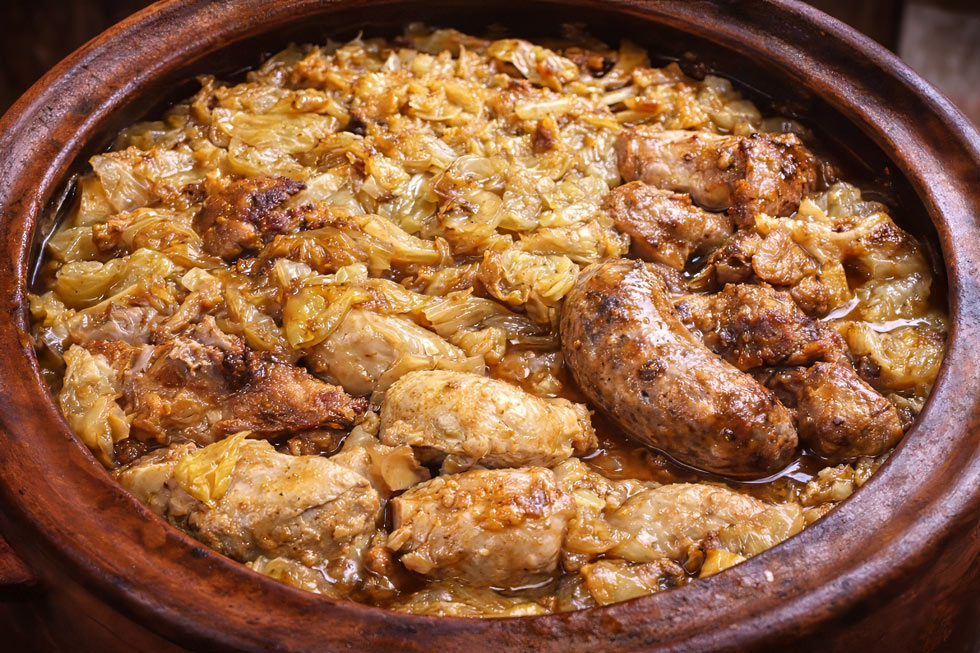
Bansko’s emblem. Layers of sauerkraut, rice, and several meats are placed in a clay pot, sealed, and baked until everything is cooked through. The cabbage turns mellow, the meats fall apart, and the rice catches the juices so well that bread becomes optional.
Chomlek
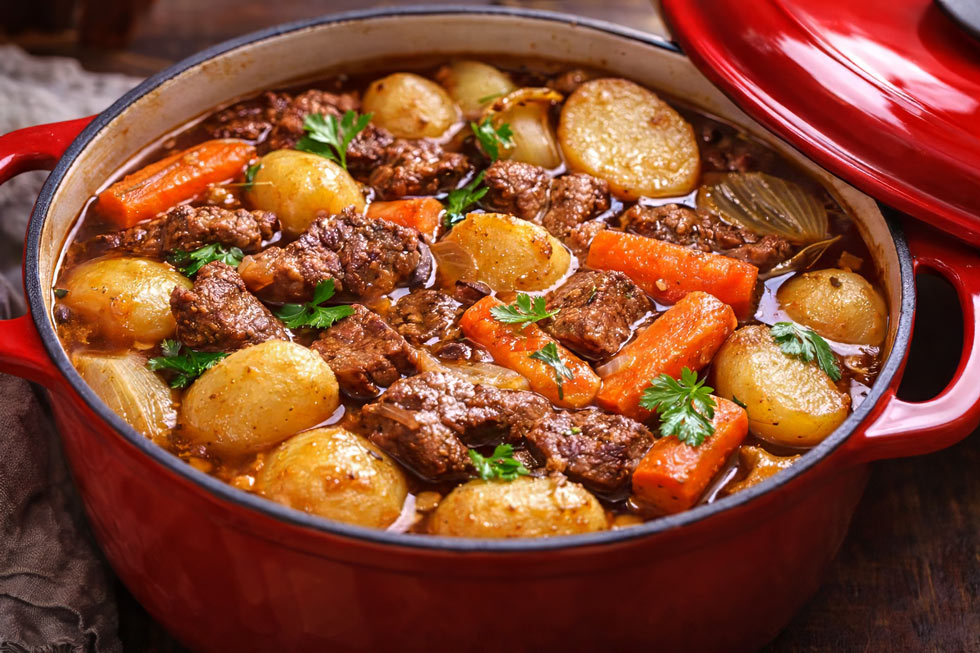
Veal shank and potatoes simmer in a pot with onions, bay leaves, and a touch of paprika. Low heat does the rest. When the lid comes off, the sauce is glossy, the meat is spoon-tender, and the potatoes have taken on a deep flavor.
Banski starets
A proud local charcuterie. Seasoned pork is matured in a cleaned stomach and hung in cool mountain air until sliceable. The texture is firm, the flavor is gently spiced, and thin slices with pickles and bread make a perfect start.
Chesnalo
A garlicky village specialty from the Razlog valley. Think of it as a bold spread or relish served with warm bread and rustic meats. If you like garlic, you just found your plate.
Yalova banitsa
From Gorno Draglishte. A “plain” banitsa on purpose, where the technique and the dough are the point. The crust is fragile and crisp, the inside soft and buttery.
Zelnik, Pirin style
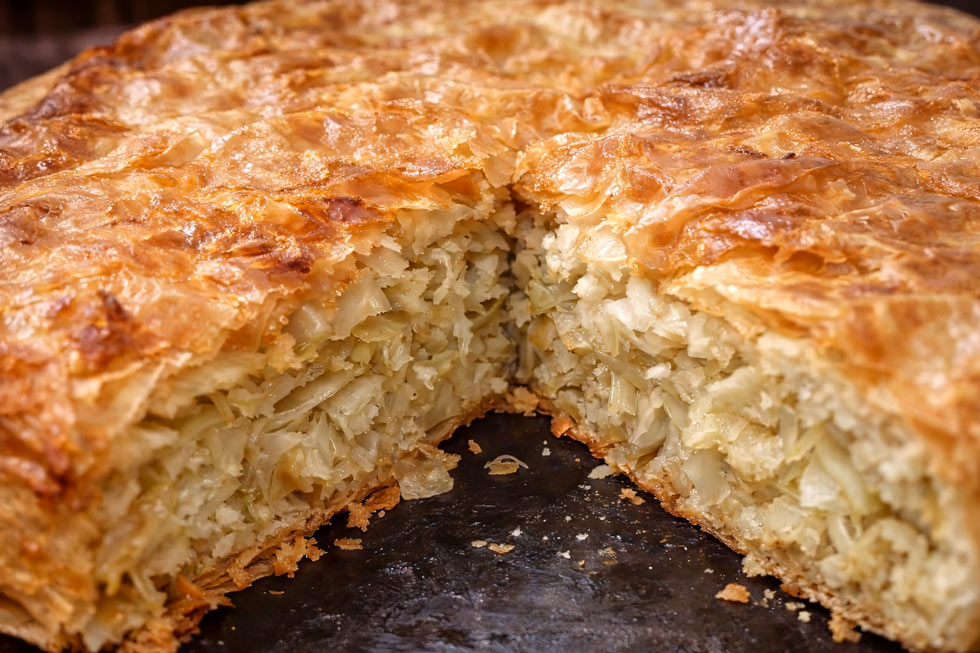
A layered pie with leafy greens, leeks, or cabbage, sometimes with rice or cheese. In the Blagoevgrad foothills, it maintains a devoted following and often carries a clean note of dill or mint.
Chushki s urda
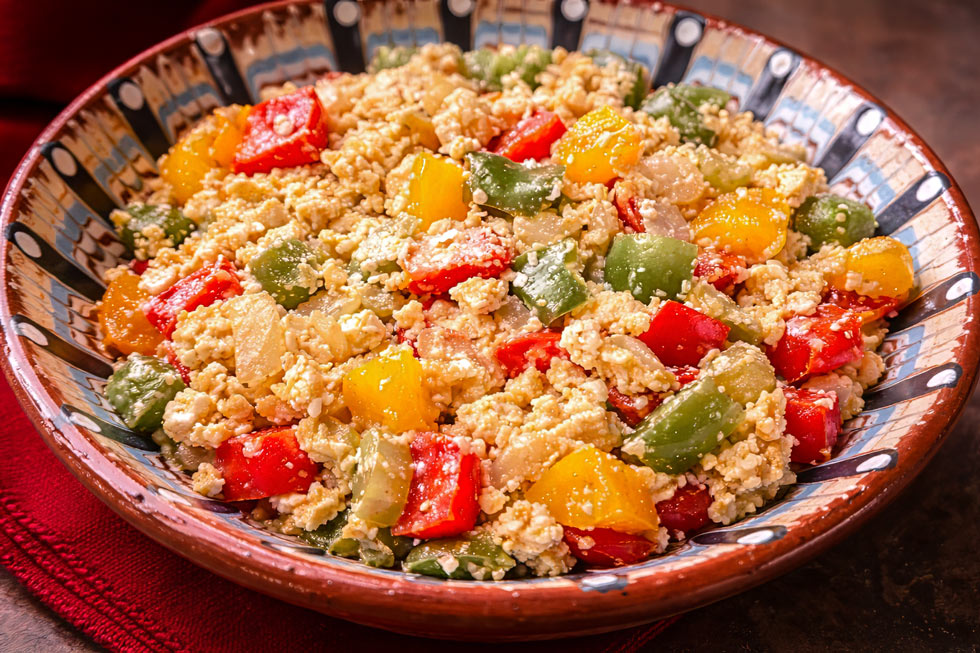
Roasted peppers filled with soft whey cheese. Light, fresh, and exactly right on warm evenings in the foothills.
Gragaleta
Small syrup-soaked sweets from Yakoruda, shaped like little birds or drops. Traditionally made for holidays and shared widely, they end a meal with a gentle note of sugar.
Selsko meso v gyuveche
“Village style” meat stewed in an individual clay pot with onions and peppers. The top browns, the sides bubble, and the gravy requires nothing more than a piece of bread.
Breads, dairy, and sweets
Parlenka flatbreads brush up sauces without trying. Banitsa is served for breakfast and again for dinner. Urda and sirene travel from bakery to table, tucked into pies or dolloped beside peppers. For dessert, look for gragaleta in the mountain towns, simple rice puddings, and fruit in syrup when home cooks want a quiet finish.
Seasonality and rituals
Winter belongs to kapama and chomlek, and to cured meats hung in cool air. Spring brings lamb for St George’s Day and first greens. Summer lunch is lighter with salads, peppers, and soft cheeses. Autumn is busier at the cellar door, with jars of roasted peppers and the first tastings of the new reds from the Struma Valley. The year moves along in plates.
Where and how to try it
Bansko is the hub for kapama, chomlek, and Banski starets in mehanas that still bake in clay. Razlog and the nearby villages keep chesnalo, yalova banitsa, and country stews alive. In the Blagoevgrad foothills, ask for zelnik and peppers with urda. Yakoruda is where to ask a grandmother about gragaleta. Melnik and the surrounding villages pair simple grills and pies with on-site wines, overlooking the vines. Ask what is cooked slowly today and whether the kitchen makes its own charcuterie.
Drinks and pairings
This is the Struma Valley region, known for reds with warm spice and mountain-herb notes. For Kapama and Chomlek, choose Shiroka Melnishka Loza or Melnik 55, or blends with Syrah and Cabernet from the hills around Melnik, Harsovo, and Kromidovo. With Chesnalo, peppers with urda and zelnik, pour crisp local whites such as Sandanski Misket or early-picked Sauvignon Blanc from producers in the Struma Valley. Dry rosé from the same valley is a graceful companion to mixed plates and summer evenings. If you want to compare styles, bring a structured Mavrud from the Thracian Lowlands PGI and see how it sits with hearty stews.
Order like a local
- Kapama for two, please. Kapama za dvama, molya. [kah‑PAH‑mah zah DVAH‑ma, MOH‑lya] Капама за двама, моля.
- One portion of chomlek. Chomlek, Molya. [CHOM‑lek, MOH‑lya] Чомлек, моля.
- Banski starets to share. Banski starets za spodelyane, molya. [BAN‑skee STA‑rets zah spoh‑DEL‑yah‑neh, MOH‑lya] Бански старец за споделяне, моля.
- Do you have chesnalo today? Ima li chesnalo dnes. [EE‑mah lee ches‑NA‑lo dness] Има ли чеснало днес
- Zelnik with greens, please. Zelnik sas zelenini, molya. [ZEL‑neek sahs zeh‑len‑EE‑nee, MOH‑lya] Зелник със зеленини, моля.
- Peppers with urda and warm bread. Chushki s urda i topal hlyab, molya. [CHOO‑shkee s OOR‑dah ee TOH‑pahl HLYAB, MOH‑lya] Чушки с урда и топъл хляб, моля.
- A glass of Melnik 55. Edna chasha Melnik petdeset i pet, molya. [ED‑nah CHA‑sha MEL‑nik pet‑deh‑SET ee PET, MOH‑lya] Една чаша Мелник 55, моля.
- The bill, please. Smetkata, molya. [SMET‑kah‑tah, MOH‑lya] Сметката, моля.
Quick home recipe
Chomlek for four
Cut 1 kg veal shank into thick rounds or large chunks. Season with salt and pepper. In a clay pot or heavy casserole, layer 1 kg peeled potato chunks, 2 sliced onions, the meat, 2 sliced carrots, and 3 whole garlic cloves. Add 1 teaspoon sweet paprika, 1 bay leaf, a few peppercorns, and 120 ml white wine or water. Drizzle with 2 tablespoons of sunflower oil. Cover tightly with a lid or foil. Bake at 160 °C for 2.5 to 3 hours, until the meat is very tender. Rest 10 minutes. Scatter parsley and serve straight from the pot with bread.
Explore traditional Bulgarian recipes
Traveler’s practicality
Clay pot dishes take time and are made in limited batches. Ask early if kapama or chomlek is on. In village restaurants, cash is useful. Portions are generous, so share one pot and add a salad or peppers with urda. Charcuterie can be vacuum-packed for travel upon request. For winery lunches near Melnik, book in advance during high season.
Glossary
- Kapama: layered clay pot bake with meats, rice, and sauerkraut
- Chomlek: slow-baked veal shank and potatoes in a sealed pot
- Banski starets: matured charcuterie from Bansko
- Urda: fresh whey cheese used in pies and pepper fillings
- Zelnik: layered pie with leafy greens and sometimes rice
- Chesnalo: garlic-forward village specialty from the Razlog valley
- Gragaleta: small syruped sweets from Yakoruda
- Mehana: traditional Bulgarian tavern
- Struma Valley PGI: wine region around Melnik and Sandanski known for warm, spicy reds
Fun facts
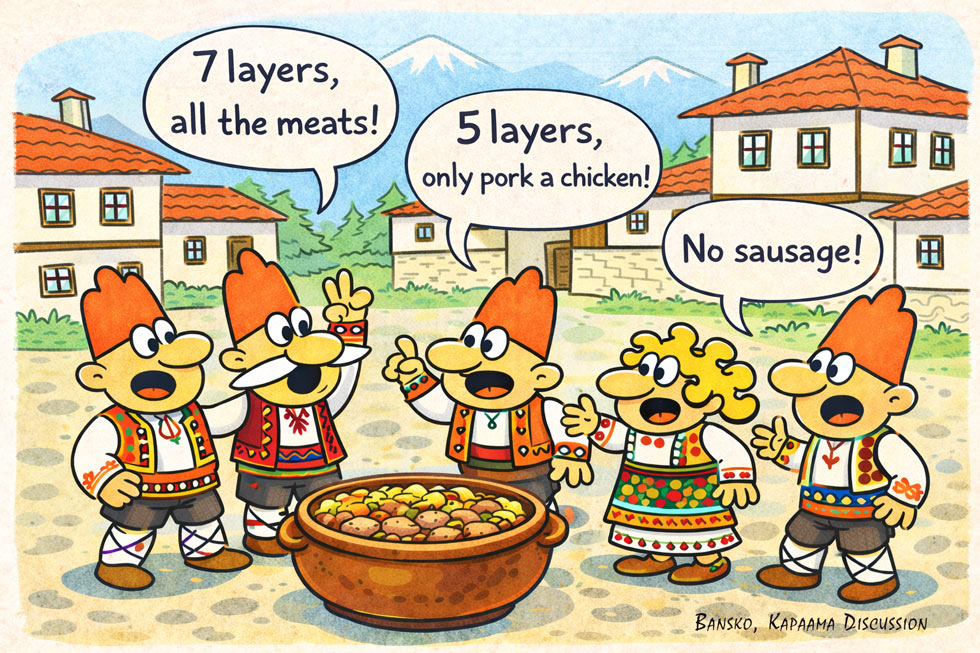
- Bansko locals debate kapama as seriously as sports fans discuss finals. The question is which meats and how many layers, and there are no wrong answers, only loyalties.
- In Yakoruda, gragaleta sweets often mark holidays that bring different faiths to the same table, which reflects the Pirin spirit.